
UNIVERS
THE HISTORY
A Sport with History and Heart
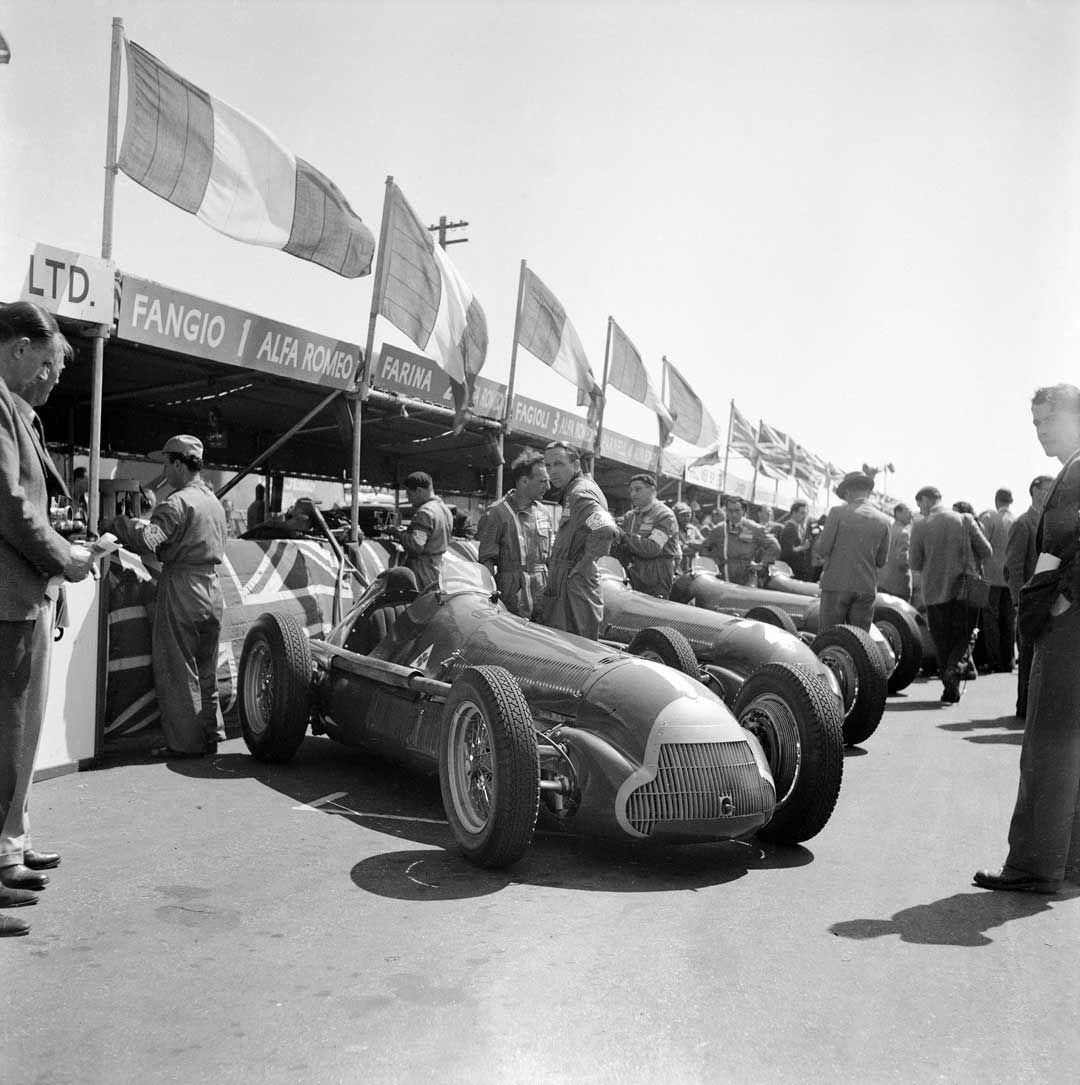
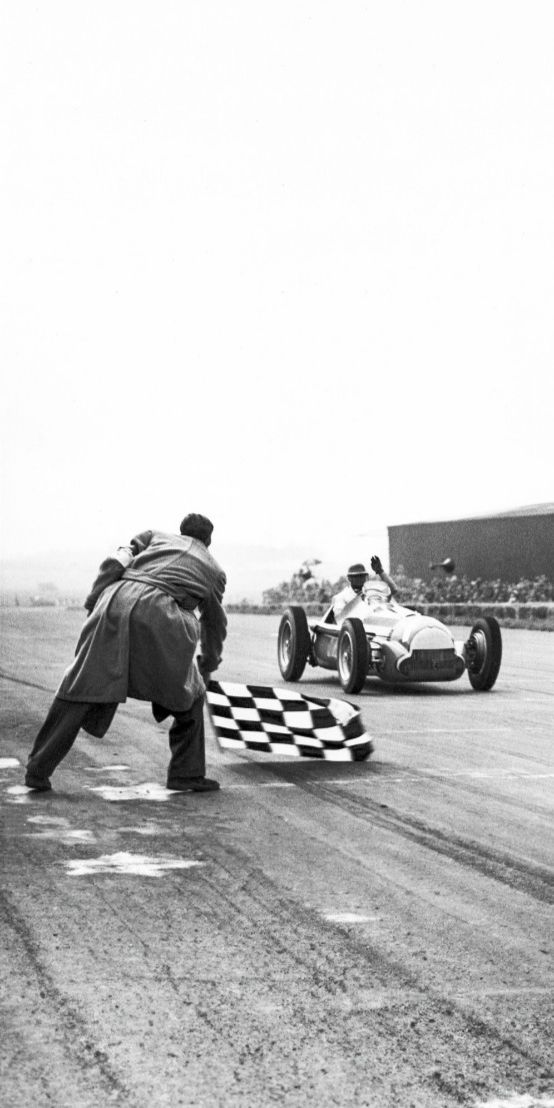
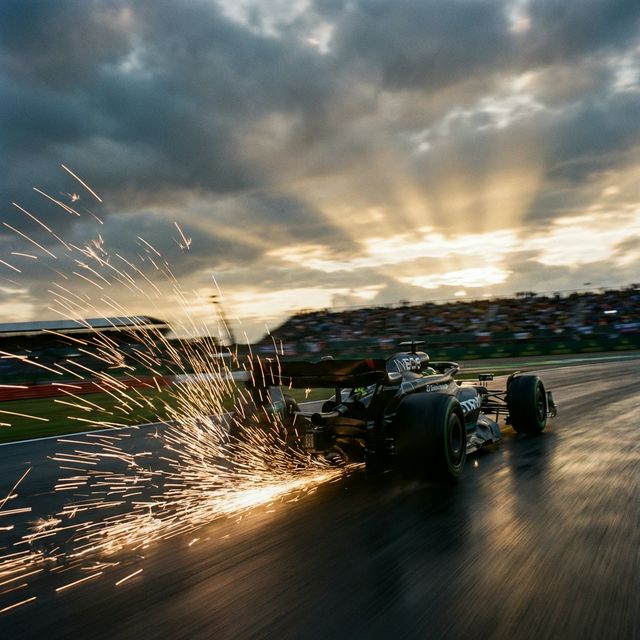
It all started in 1950. Not with a bang — well, actually yes, with a bang. Twenty-one cars lined up at Silverstone, on a converted RAF airfield, and the world's most intense motorsport championship was born. Giuseppe Farina crossed the finish line first, driving for Alfa Romeo, and F1 history began.
But the story didn't start there. Long before the FIA created a unified rulebook — the "Formula" — Grand Prix racing across Europe was wild, inconsistent, and frankly dangerous. The FIA stepped in to bring order to the chaos. It worked. Mostly.
The Legends Era
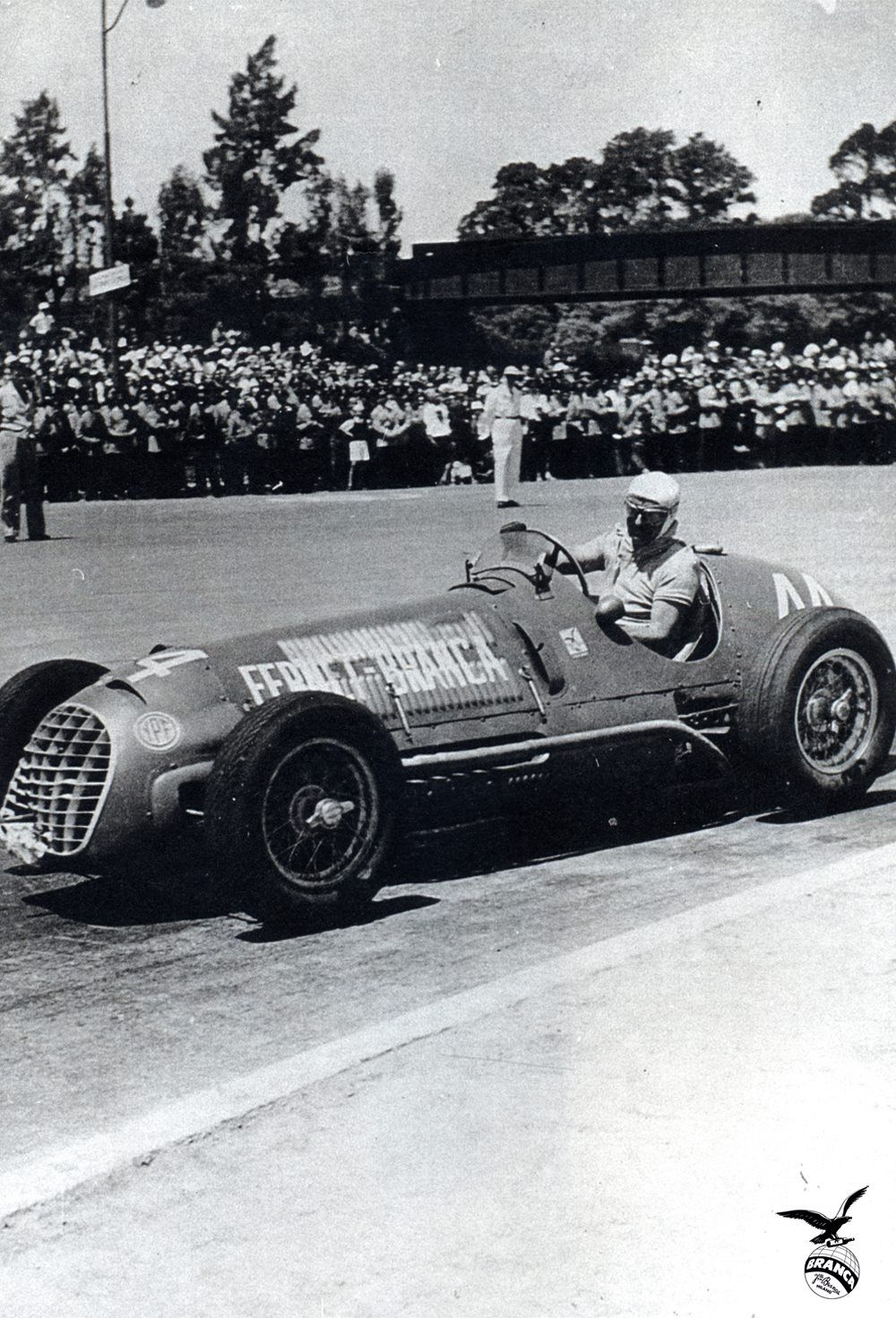
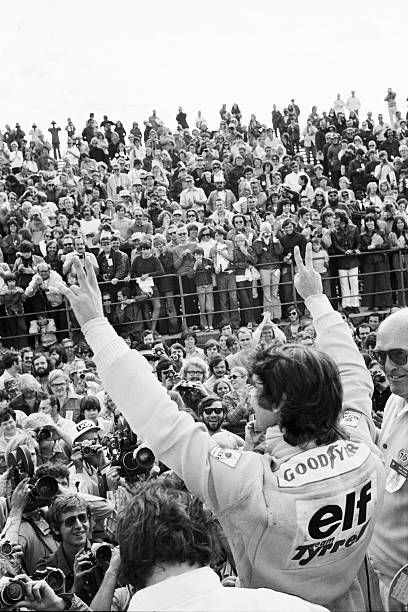
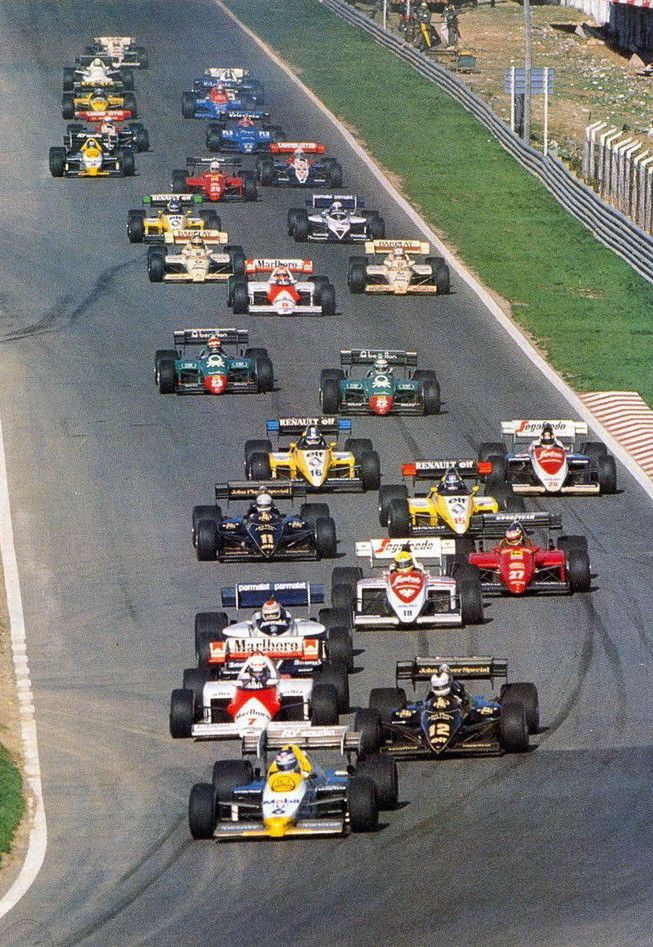
The early decades of F1 were defined by two things: breathtaking skill and terrifying danger. Drivers like Juan Manuel Fangio and Jim Clark became icons — not just for their speed, but for their bravery in an era where fatal crashes were a real and regular part of the sport. Safety was almost an afterthought. Cars were fast, fragile, and unforgiving.
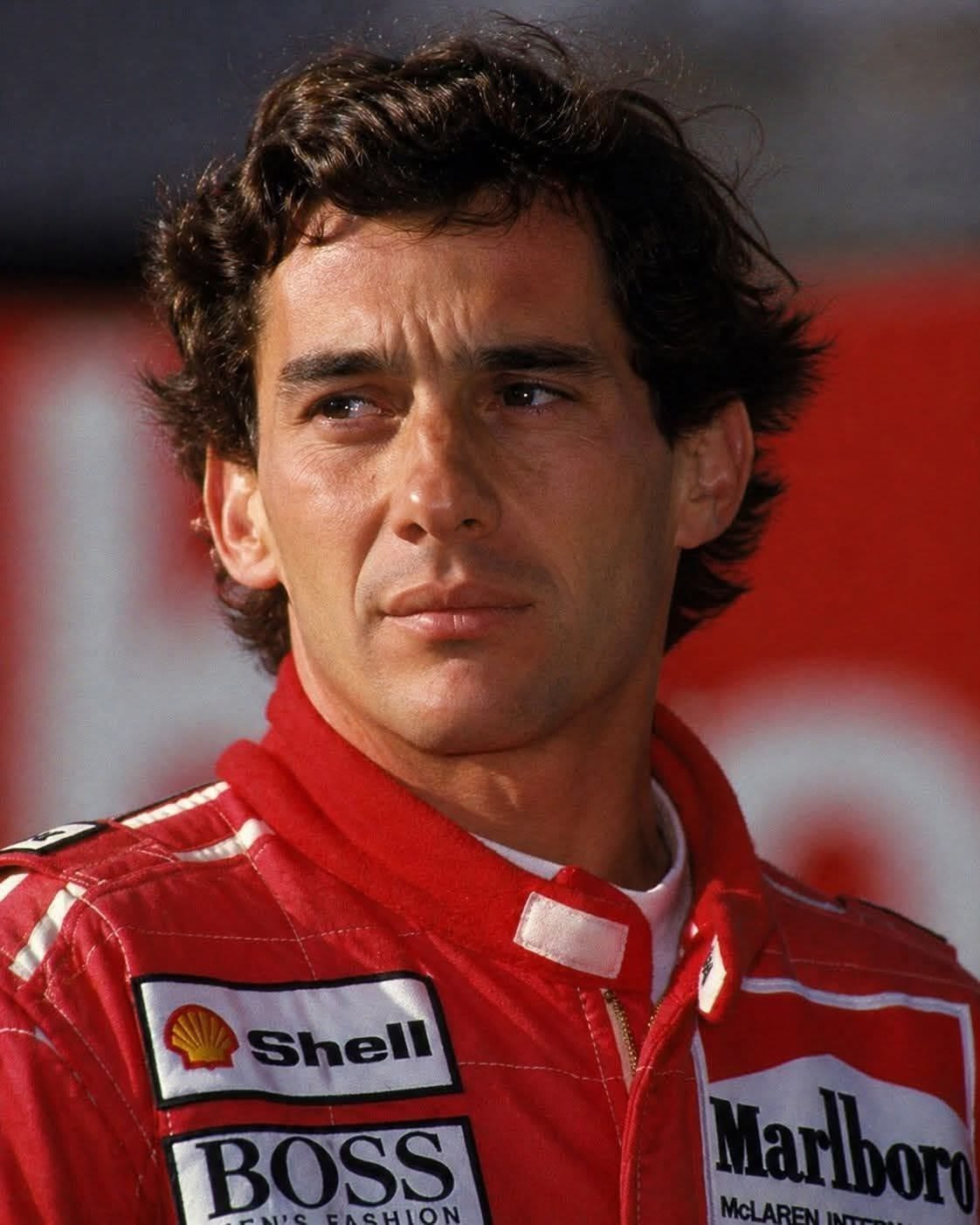
Then came Ayrton Senna. His death at Imola in 1994 shook F1 to its core — and changed it forever. The FIA responded with sweeping safety reforms: redesigned cockpits, stronger barriers, mandatory crash tests.
That titanium frame arching over the driver's head today? That's the halo — and it has literally saved lives. Senna's legacy isn't just his three world titles. It's the sport he helped make safer for everyone who came after.
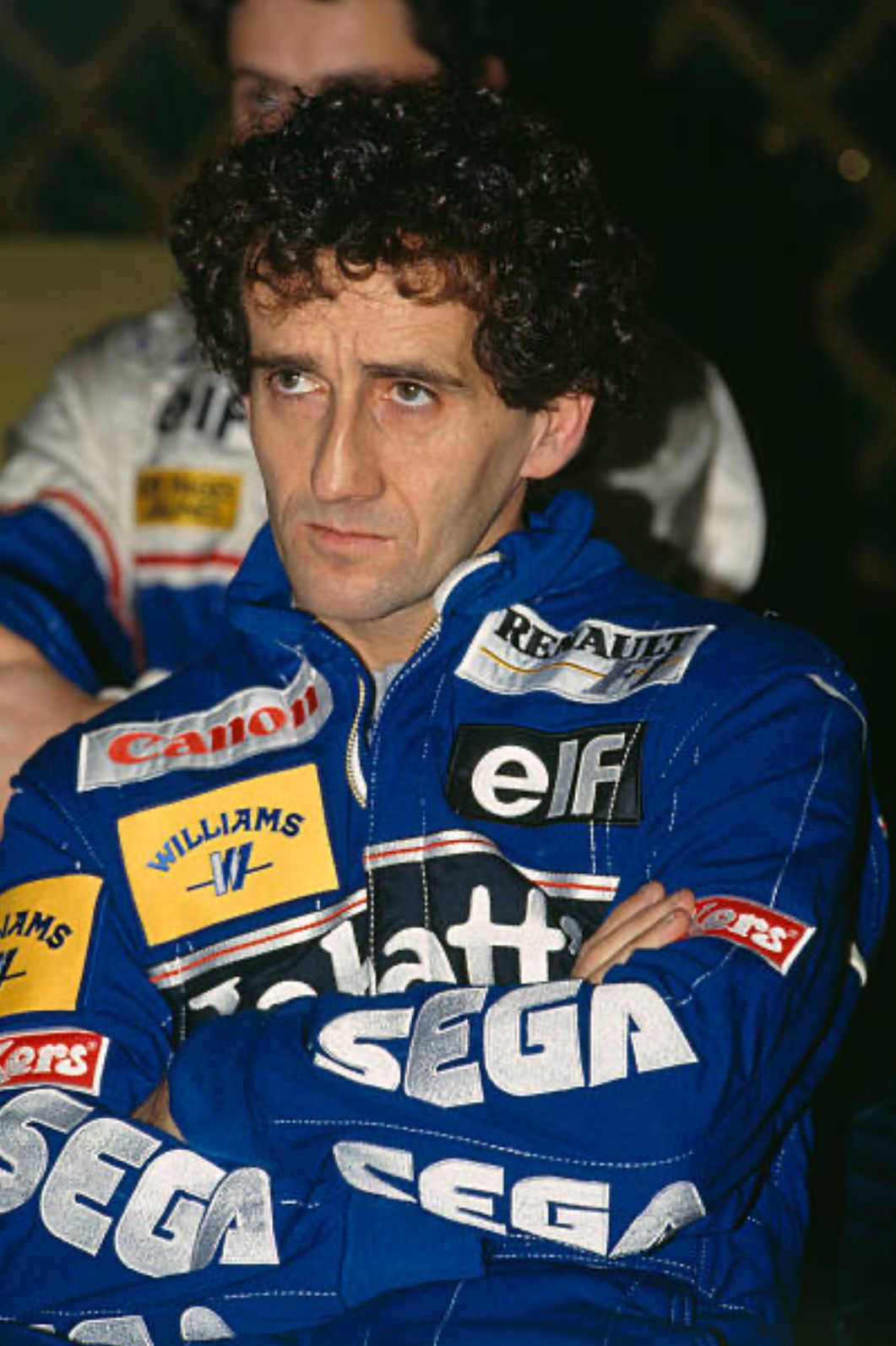
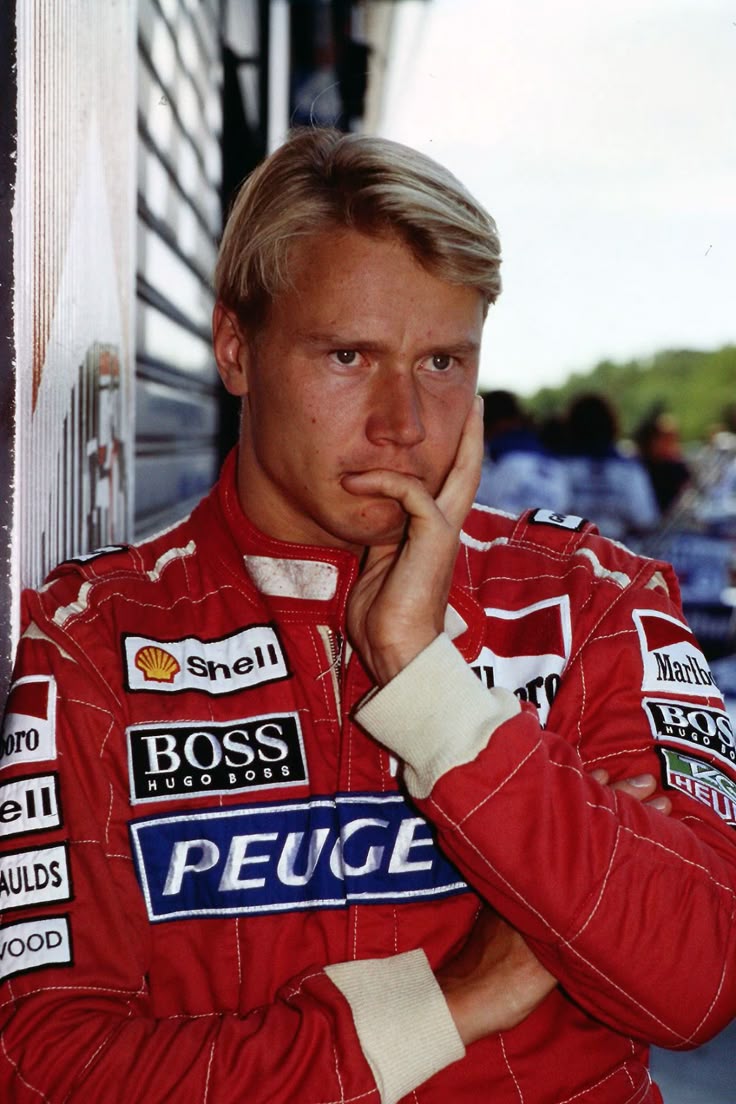
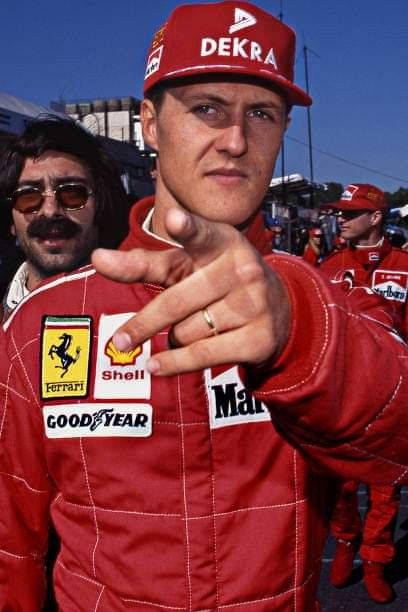
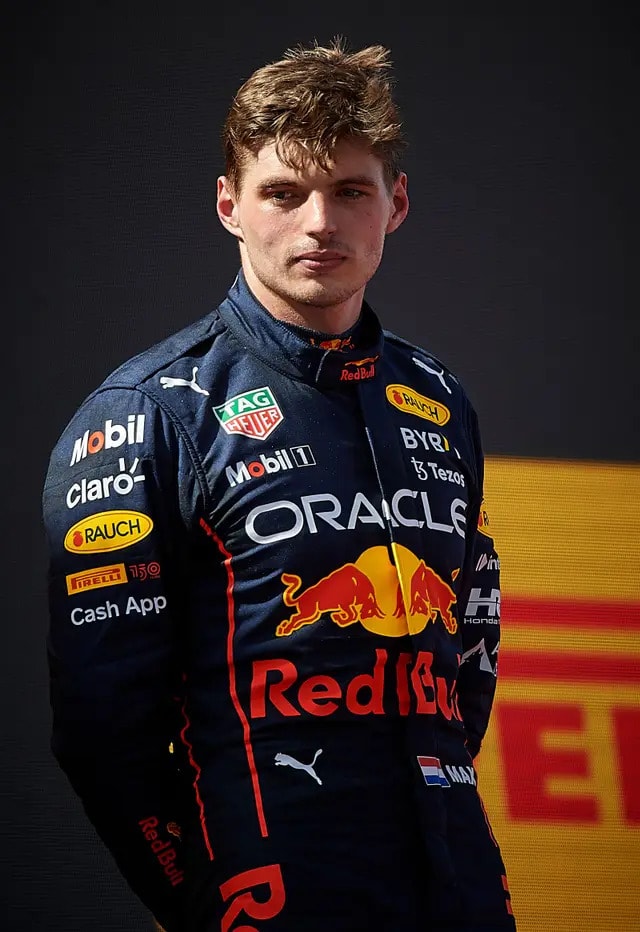
Rivalries That Defined Eras
F1 Today: Fast, Smart & Still Unpredictable
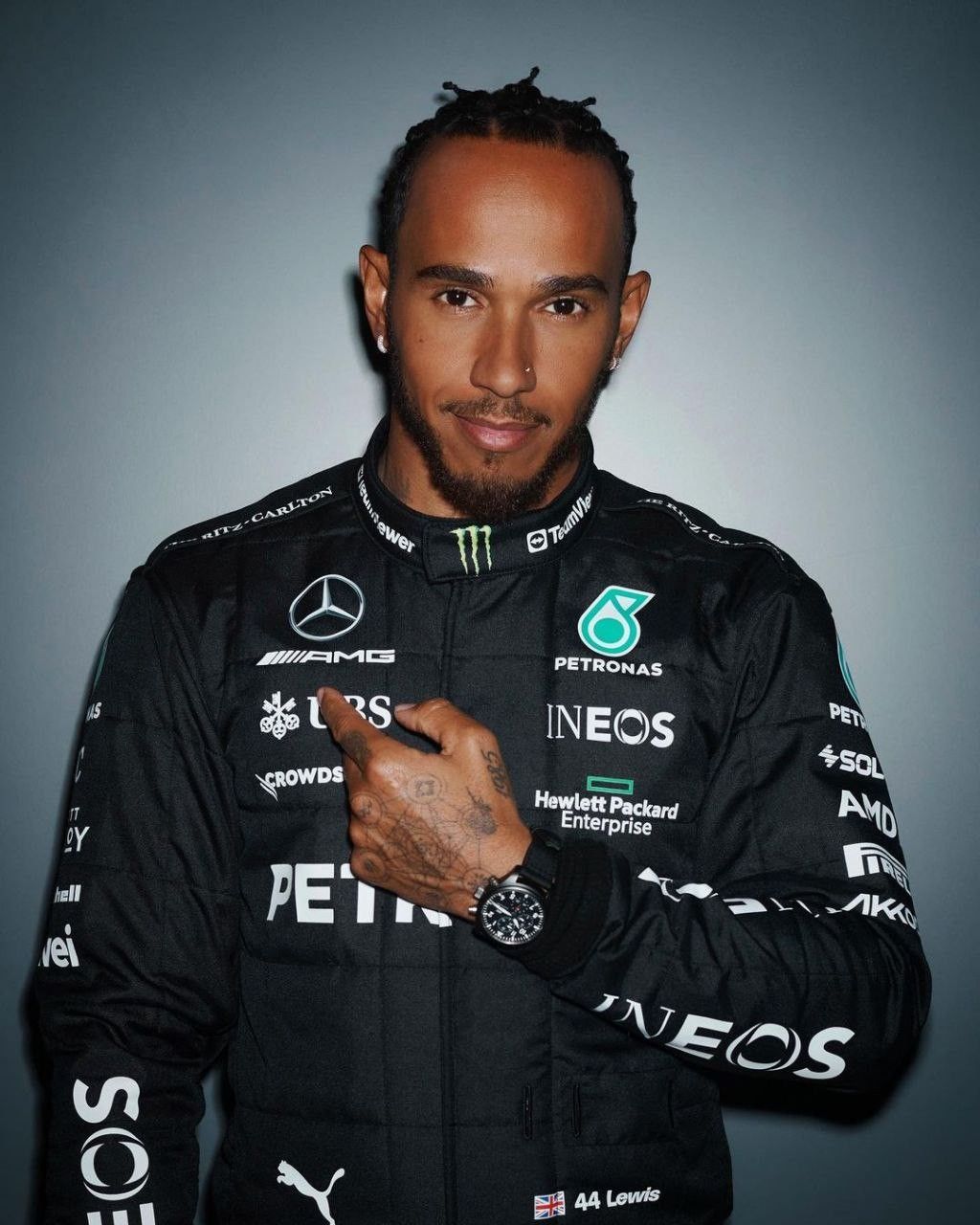
Modern F1 is a different beast. Hybrid power units since 2014. Thousands of sensors per car. Teams of hundreds of engineers analyzing data in real time. And yet — the sport still delivers the unexpected. Remember the 2008 Brazilian Grand Prix? Lewis Hamilton needed to finish fifth to win his first championship. On the last lap, in the rain, he passed Timo Glock in the final corners. Champion by one point. That's F1.
No matter how sophisticated the technology gets, the human element never disappears. And that's exactly what keeps us hooked.
THE IMPACT
The Global Impact of F1
F1 doesn't just visit cities. It transforms them.
Twenty-four weekends a year, a travelling circus of engineers, drivers, and millions of fans descends on a new corner of the world. From the narrow streets of Monaco to the neon skyline of Singapore, each race is its own world — its own culture, its own energy.
This isn't just sport.
It's spectacle.
Every Race, Its Own Universe
Each Grand Prix reflects the soul of its host city. These five are F1's most iconic stages — use the arrows to explore them.
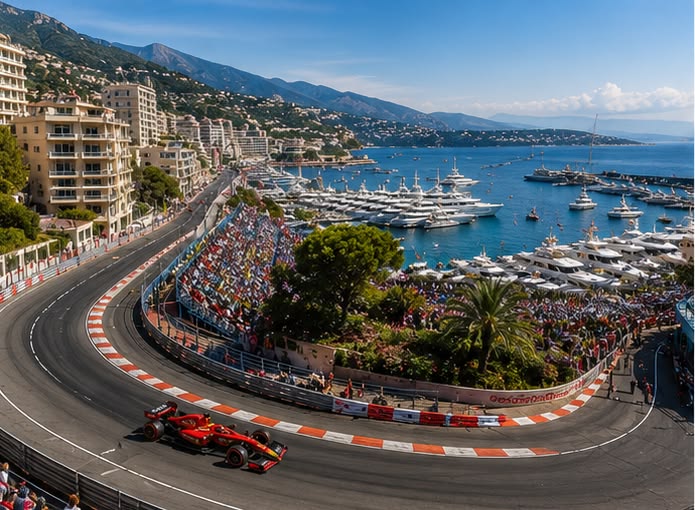
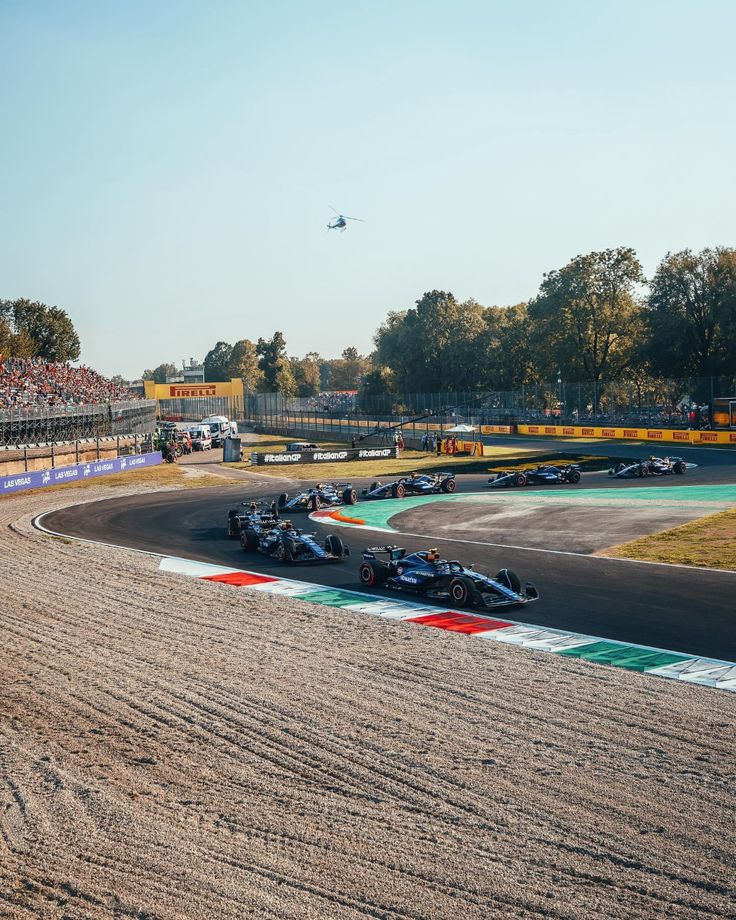
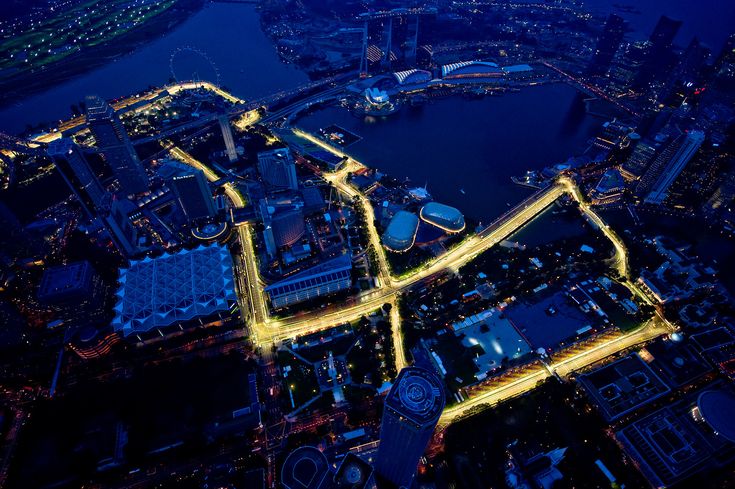
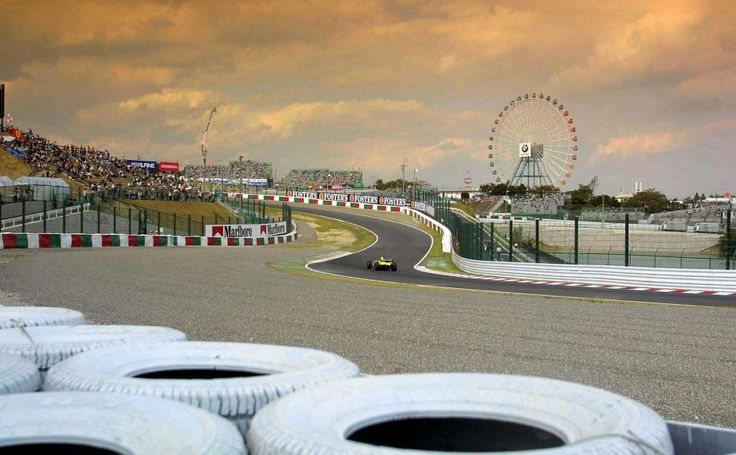
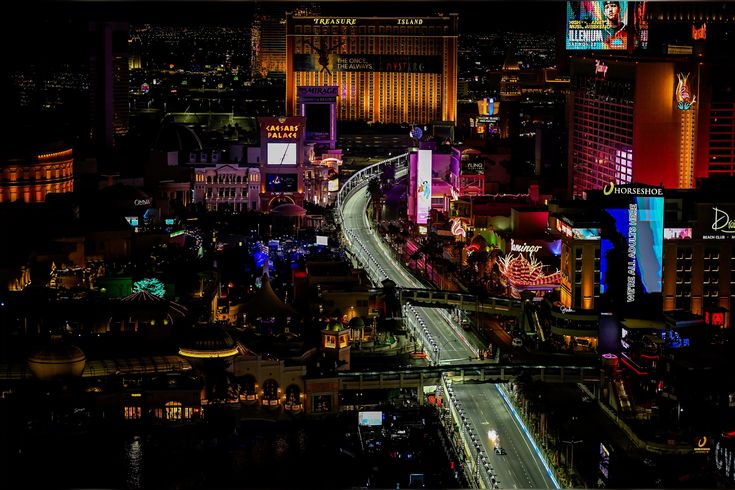
These five are F1's most iconic stages.
But make no mistake — wherever the grid lands, from Melbourne to Mexico City, from São Paulo to Bahrain, a city is never quite the same again. Streets close, economies surge, and for one weekend, the whole world looks its way.
From the Track to Your Car
Here's something most people don't realize: F1 has shaped the car you drive.
The sport isn't just entertainment — it's a technology lab running at 300 km/h. Innovations born on the track have quietly made their way into everyday vehicles.
Hybrid Engines
F1 introduced hybrid power units in 2014, combining combustion engines with electric motors. That technology now powers the Ferrari SF90, the McLaren Artura, and increasingly, standard road cars.
Carbon Fiber
First used in F1 in the early 1980s by McLaren, carbon fiber is now standard in supercars and high-performance road cars everywhere.
Aerodynamics
The drag-reducing shapes perfected in F1 wind tunnels now influence everything from hypercars like the Bugatti Chiron to fuel-efficient hatchbacks.
Safety Systems
Crumple zones, side-impact protection, advanced braking tech — all tested and refined in F1 before reaching your driveway.
So yes — even your everyday car carries a little F1 DNA.
Beyond Racing
Culture, Power & Soft Power
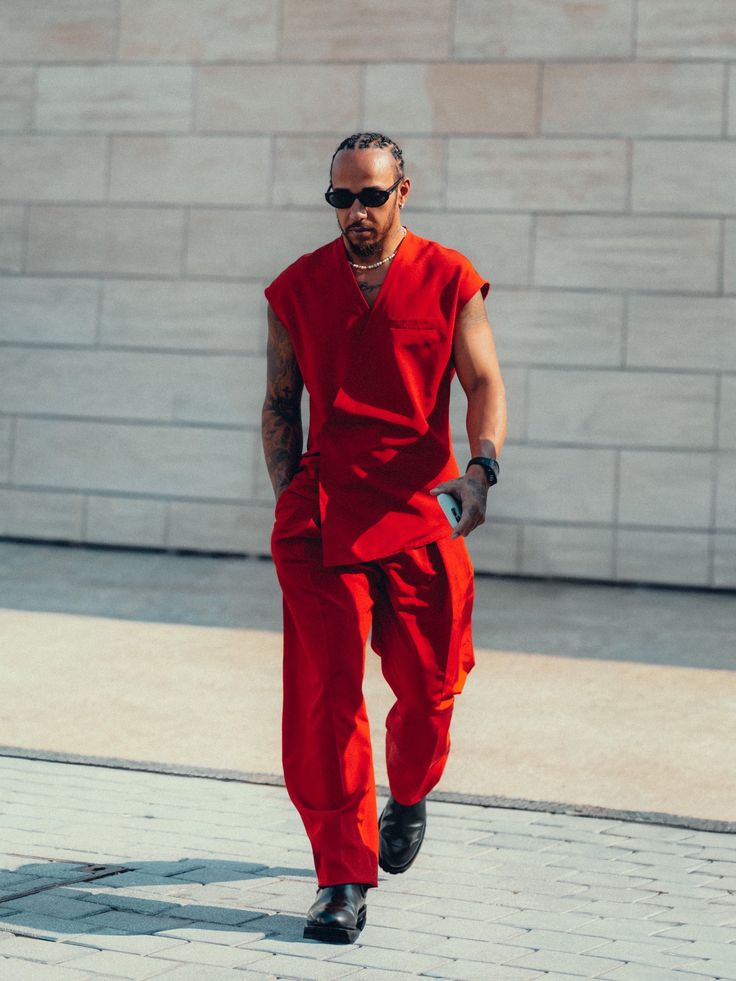
HamiltonOne face of a whole generation
More Than a Driver
Lewis Hamilton doesn't just win races. He walks the Met Gala red carpet, collaborates with luxury fashion houses, and uses his platform to speak on issues bigger than motorsport.
He's become a global icon — and he's far from alone. From Max Verstappen to Charles Leclerc, today's drivers exist in a cultural space far beyond the paddock.
And the sport itself? It's become a stage for soft power.
Governments compete to host races. Billionaires invest in teams. New circuits in Saudi Arabia, Las Vegas and Miami aren't just business decisions — they're statements.
F1 is now one of the most watched sports on the planet.
And everyone wants a piece of it.
THE FANS
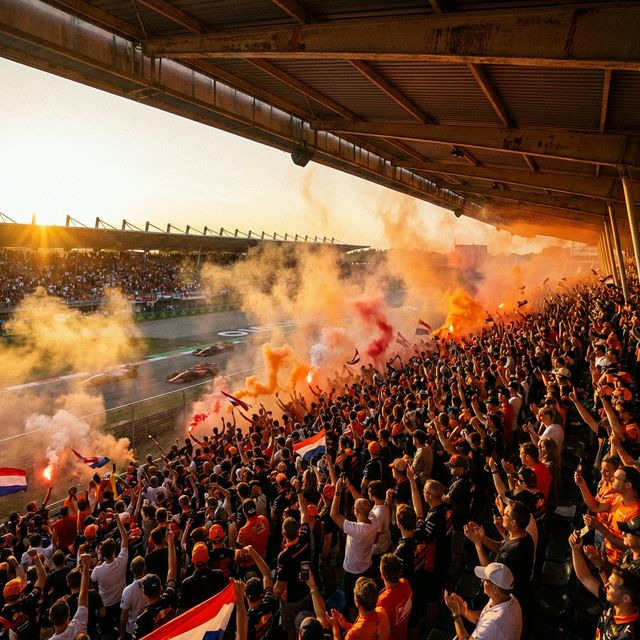
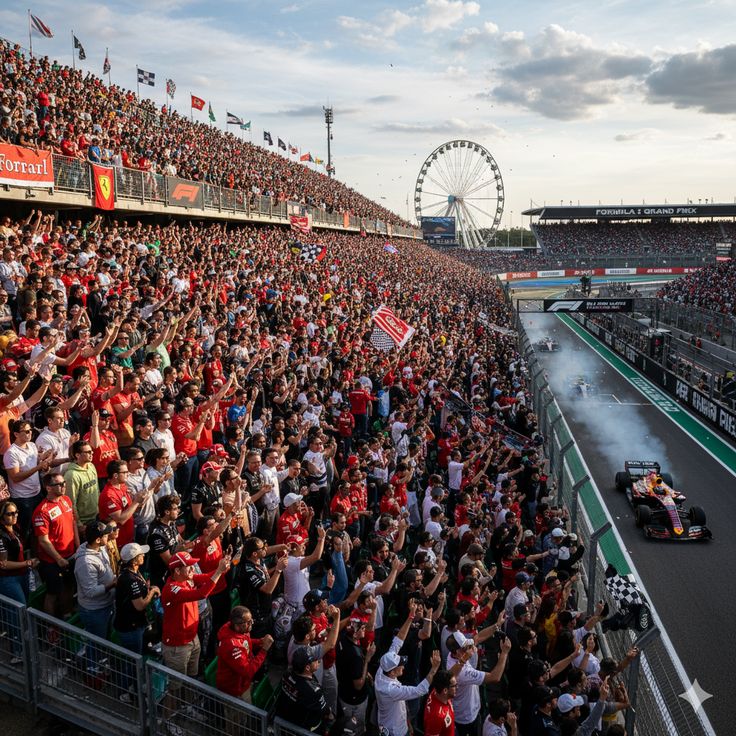
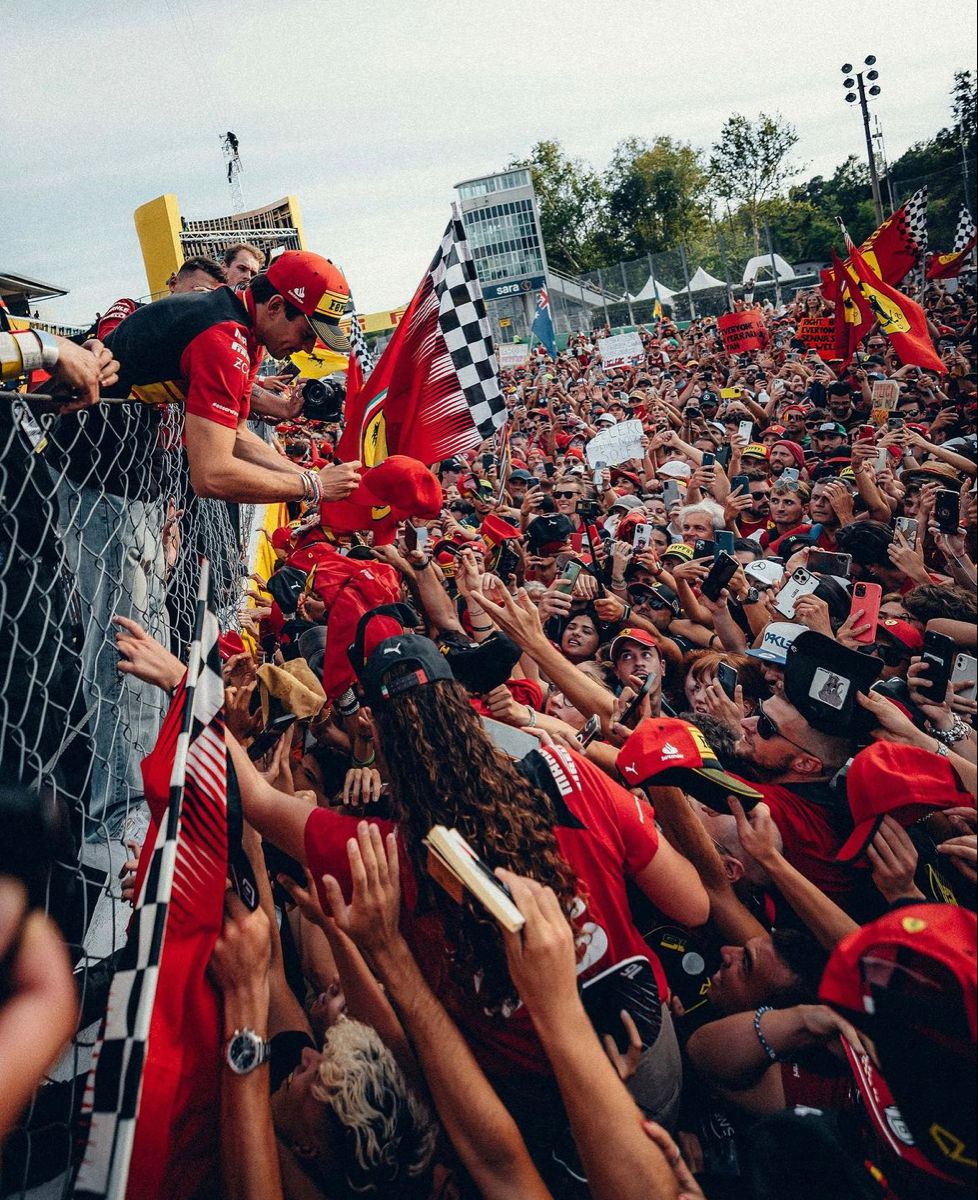
If you're wondering why F1 fans are so… intense, it's because the sport has this magical way of getting under your skin. One minute you're just "checking in" to see who's winning, and the next you're arguing with strangers online about whether Ferrari's pit wall made another strategy blunder (spoiler: they probably did – just kidding we love Ferrari here).
But that's what makes F1 special — it's not just a sport; it's a community. Fans build connections through online spaces like social media, Formula1, podcasts and YouTube creators.
And it's not just about stats and race results — it's about the shared highs and lows, the pre-race debates, and the post-race memes.
The F1 fanbase is incredibly diverse and global, which means that no matter where you are in the world, you'll always find someone ready to dissect the latest race strategy or laugh about McLaren's latest pit stop disaster (2025 was... messy... thankfully they won't this year... please...).
There's a special bond between fans and drivers too — these moments create an emotional connection that no other sport quite matches.
Whether you're here to geek out over car setups, fall in love with a driver's personality, or just enjoy the chaos — there's room for everyone.
FOLLOW A RACE WEEK
FRIDAY
The Lab
Two Free Practice sessions (FP1 & FP2). No points, no pressure — officially. In reality, every engineer on the pit wall is watching the data like a hawk.
Teams use Friday to test tire compounds, tweak aerodynamic setups, and collect thousands of data points about how the car responds to this specific track. Every circuit is different — the surface, the corners, the temperature, the wind — and Friday is about finding the perfect setup before the real action begins.
As a fan, Friday is great for spotting early pace — who looks fast, who's struggling, who's hiding something. Because yes, sandbagging is real. Some teams deliberately hold back their true pace on Friday to keep rivals guessing. The poker game starts before the lights even go out.
Select Q1, Q2 or Q3 to reveal what each position means for Sunday's grid.
SATURDAY
The Drama
First up: FP3, one last setup session before the pressure cranks up. Teams confirm their final adjustments, simulate race scenarios, and mentally prepare. Then comes Qualifying — and this is where F1 gets seriously addictive.
Qualifying is split into three knockout rounds:
Each driver typically gets two flying laps per session to set their best time. One mistake — a locked wheel, a tiny moment on the kerb — and your weekend can unravel in seconds. The final minutes of Q3, with every top driver on a hot lap simultaneously, is some of the most intense television in motorsport.
Why qualifying matters: on certain tracks — Monaco, Singapore, Hungary — overtaking is nearly impossible. Starting at the front can mean the difference between winning and finishing fifth. Saturday shapes Sunday.
SUNDAY
The Payoff
Race day. This is what everything has been building toward. Before the lights go out, soak in the atmosphere: the grid walk, the national anthem, the formation lap where drivers warm their tires and settle their nerves. Then five red lights… and darkness. Go.
Races run approximately 305 km — around 90 minutes of racing. The top 10 finishers score championship points, with 25 going to the winner and 1 to tenth place. After the chequered flag: parc fermé, podium, champagne, chaos.
What to watch for
Four things that decide a Grand Prix
Pit stops
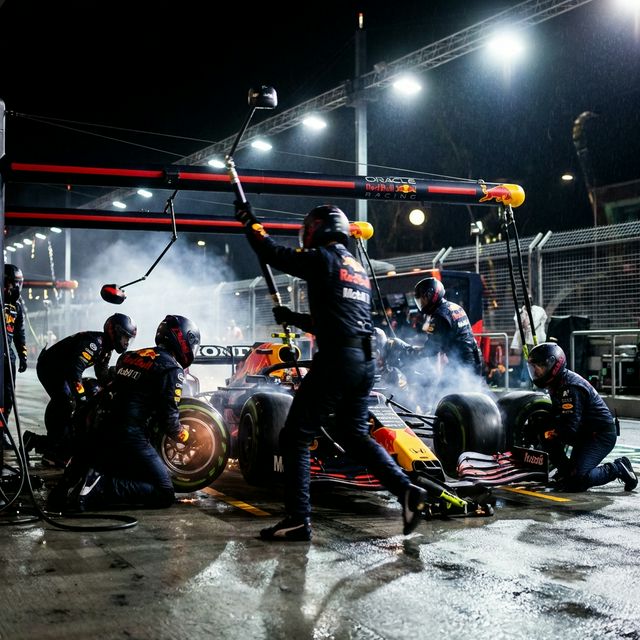
20 people, 4 tires, under 2 seconds. A perfectly timed stop can gain positions without even overtaking. A slow one can cost a race win. Watch the strategy unfold in real time.
Weather
Rain in F1 is chaos in the best possible way. Everything changes — tire choices, braking points, visibility. Some of the greatest races in history happened in the wet.
Team radio
“The tyres are gone, man.” “Can you confirm the gap to Hamilton?” “This is INSANE.” Turn on the subtitles or follow a live radio feed — drivers talking to their engineers mid-race is unfiltered, raw, and often hilarious.
Strategy
Undercut, overcut, one stop or two? Every team runs a different plan, and only one of them will turn out to be right. Lots of possibilities — and lots of things that can go wrong.
Where to Watch & Follow Along
To get the most out of each weekend
F1 TV Pro
StreamingEvery session live, with onboard cameras and team radios. The most complete way to watch.
Canal+
TV — FranceThe whole weekend covered, commentary in French.
Sky Sports F1
TV — United KingdomEnglish coverage, strong analysis and a lot of pit lane reporting.
The F1 App
Live timingSector times, gaps and a driver tracker. Best used next to the broadcast.
Radio compilations
YouTubeThe best exchanges of a session, cut down and online within hours.
r/Formula1
RedditThe live race thread — thousands of fans reacting lap by lap.
Most European rounds start around 3pm CET. Asian and night races land much earlier or much later, so check the schedule before you plan your Sunday.